


Walk into any gym in Mumbai, Bengaluru, or Delhi and ask about creatine, and someone will eventually bring up hair loss. It's one of the most persistent myths in Indian fitness circles - right up there with "protein damages your kidneys." But does creatine cause hair loss? Here's what the actual science says, not gym folklore.
What the Newer, Better Research Found
In 2025, researchers ran the first study designed specifically to test this claim. Published in the Journal of the International Society of Sports Nutrition, the 12-week randomized controlled trial gave 45 resistance-trained men 5g of creatine monohydrate daily and tracked testosterone, free testosterone, DHT, and hair health - using imaging tools to measure hair density, follicle count, and thickness rather than relying only on self-reports.
The result was clear: there was no significant difference between the creatine and placebo groups on any of the measures. Hormone levels remained unchanged, and hair measurements remained similar between the groups. The study's authors described it as the strongest evidence to date against the hair-loss claim.
It's worth being honest about the limitations, too. The trial lasted only 12 weeks, included only men aged 18–40, and excluded people with a known family history of baldness - which matters because genetic predisposition plays a major role in hair loss. So the fairest summary is this: for a typical daily dose, creatine has not been shown to cause androgenetic alopecia based on current evidence. However, because people with a strong genetic predisposition to hair thinning weren't specifically studied, the possibility of an interaction hasn't been completely ruled out. If you're already concerned about hair loss, speaking with a dermatologist before starting supplementation is a reasonable precaution.
The Indian Context: Why This Question Comes Up So Often
India's sports nutrition market has grown rapidly, expanding 20–25% a year, as gym culture moves from a niche hobby to a mainstream habit. Many new users are vegetarian, meaning their dietary creatine intake - which comes mainly from meat and fish - is naturally lower. This is one reason creatine supplementation can be particularly relevant for people following vegetarian diets.
But it also means a wave of first-time users are searching Google with the same anxious question at 11 pm before taking their first scoop.
The more practical concern in India right now isn't hormonal - it's product quality. Spurious or uncertified powders sold by unverified sellers can be a genuine concern, and the FSSAI has strengthened its nutraceutical framework since 2022. If you're choosing a creatine supplement, an FSSAI-approved product with a clean, single-ingredient label - just creatine monohydrate, with nothing unnecessary added - is worth checking.
Where SuperYou Fits In
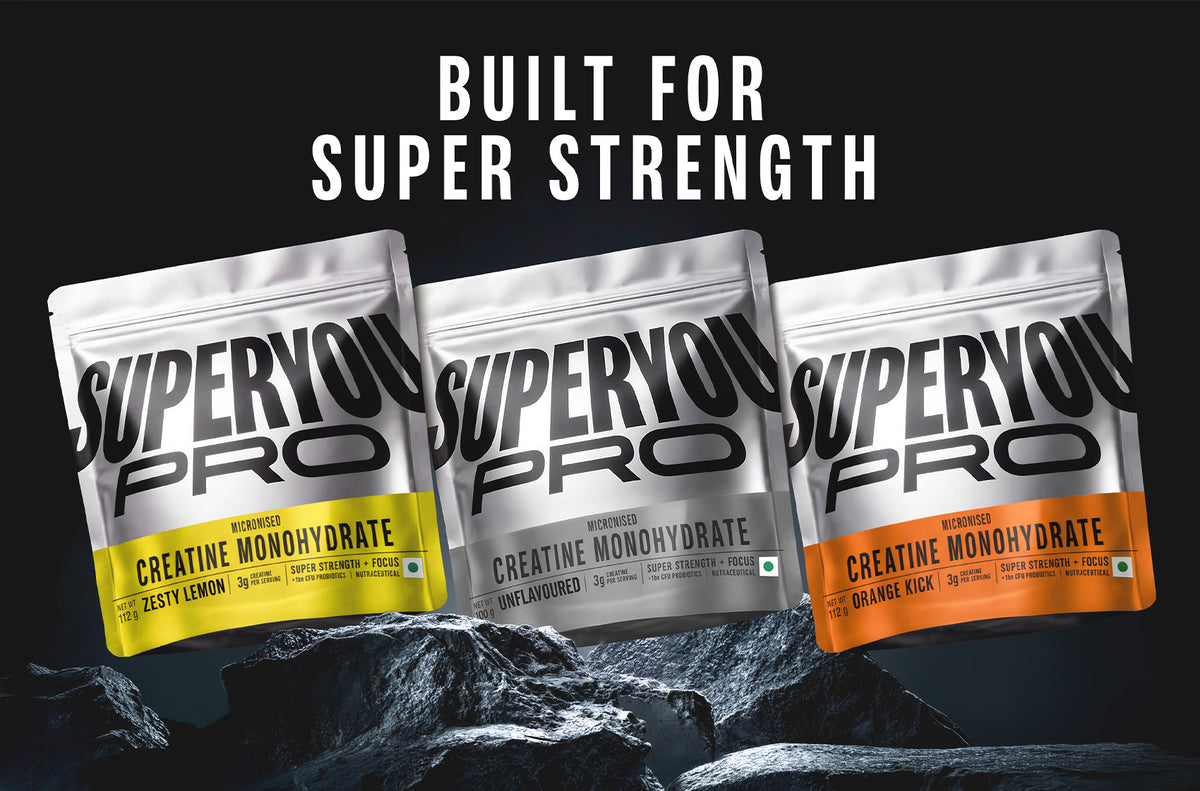
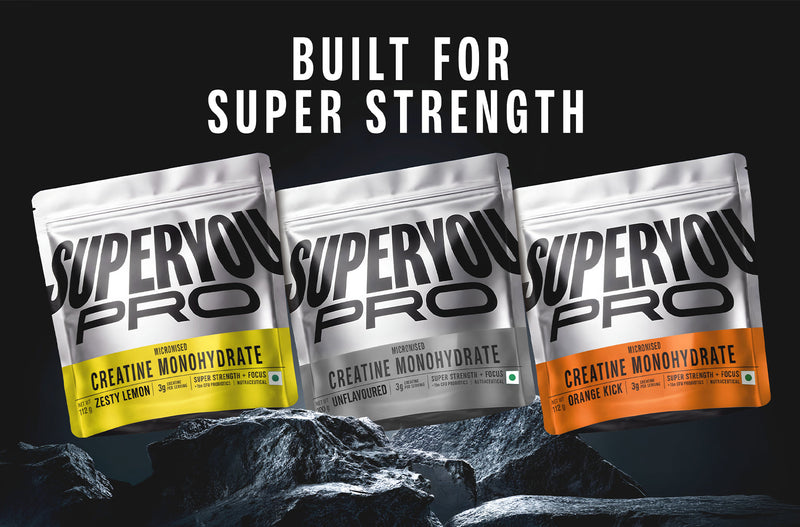
A lot of the anxiety around creatine isn't really about DHT - it's about not knowing what's actually in the tub. Proprietary blends, unlisted "performance complexes," and unverified sellers can understandably make people nervous. SuperYou Pro Creatine Monohydrate is built around removing that guesswork: it's a single-ingredient, FSSAI-approved formula, micronised for easier mixing, with added probiotics to support daily digestion. It's zero calories, zero sugar, and contains no artificial preservatives, with a straightforward 3g daily dose.
The bigger point research keeps making is that consistency, not unnecessary caution, is what determines results - so if the flavour is what's stopping you from taking creatine daily, that's worth solving too. It comes unflavoured for mixing into a shake, or in Orange Kick and Zesty Lemon if you'd rather not have plain powder every morning.
FAQs
Is a 3g daily dose of creatine safe long-term?
Yes. Creatine monohydrate is one of the most studied supplements in sports nutrition, and standard daily doses of 3g have not been shown to cause harmful effects in healthy adults when used long term. It is rather approved by FSSAI as well - the apex body for food safety & regulations in India.
Does creatine increase testosterone?
Not meaningfully. Creatine is not a hormonal supplement, and it has not been shown to meaningfully raise testosterone levels at standard daily doses in healthy adults.
Should people with a family history of baldness avoid creatine?
Not necessarily. Creatine on its own does not appear to influence hair loss - baldness is driven by genetics and hormonal factors that have nothing to do with creatine supplementation. That said, if you're already experiencing hair thinning or are particularly concerned about your risk, speaking with a dermatologist is recommended.
The Takeaway
The best available research on creatine found no effect on DHT or measured hair health at standard doses. For most healthy adults, hair loss isn't a strong reason to skip creatine - supplement quality, appropriate dosing, and consistency matter far more.
If you're looking to start, check what's actually on the label before you check the myths. A FSSAI-approved, single-ingredient formula is a more practical place to start.


