



It's a question more Indian parents are typing into Google than they'd probably admit out loud: their 16-year-old has started asking for "the protein powder the seniors at the gym use," and nobody's quite sure whether to say yes. Team sport coaches recommend it, fitness influencers make it look essential, and somewhere in between, parents are left wondering if a protein supplement for teenagers is actually fine, or something to hold off on until college.
The honest answer is: it depends on the teen, the dose, and - more than most parents realise - what's actually inside the tub. That last part is where the conversation gets interesting, because not all protein powders are built the same way.
What growing bodies actually need
The ICMR-NIN 2020 guidelines put protein requirements for Indian adolescents meaningfully higher than those for younger children - climbing through the early teen years and continuing to rise through late adolescence, in step with the growth spurts and lean mass gains of puberty. International reference values sit in a similar range: the Institute of Medicine's RDA works out to roughly 34g/day for a 13-year-old and 46–52g/day for late teens, depending on gender. For an athletic person training regularly, that number shifts up further - pediatric sports nutrition guidance generally puts active adolescents at around 0.9-1.2g of protein per kg of body weight per day, a modest increase over their non-athlete peers.
Most of that is achievable through food alone - milk, eggs, dal, a paneer- or soya-based dinner. Where families run into trouble is less about protein quantity and more about what happens once a teenager decides they want a protein shake, too.
The real concern isn't protein - it's what's hiding in the tub
Pediatricians who work with teen athletes are fairly consistent: protein powder isn't dangerous by default, but the category has a quality problem. The supplement industry is loosely regulated in most markets, and independent testing has occasionally turned up heavy metals or undeclared additives in products never intended for a 15-year-old to be the end user. That's reason enough for a parent to look past the front-of-pack claims before deciding.
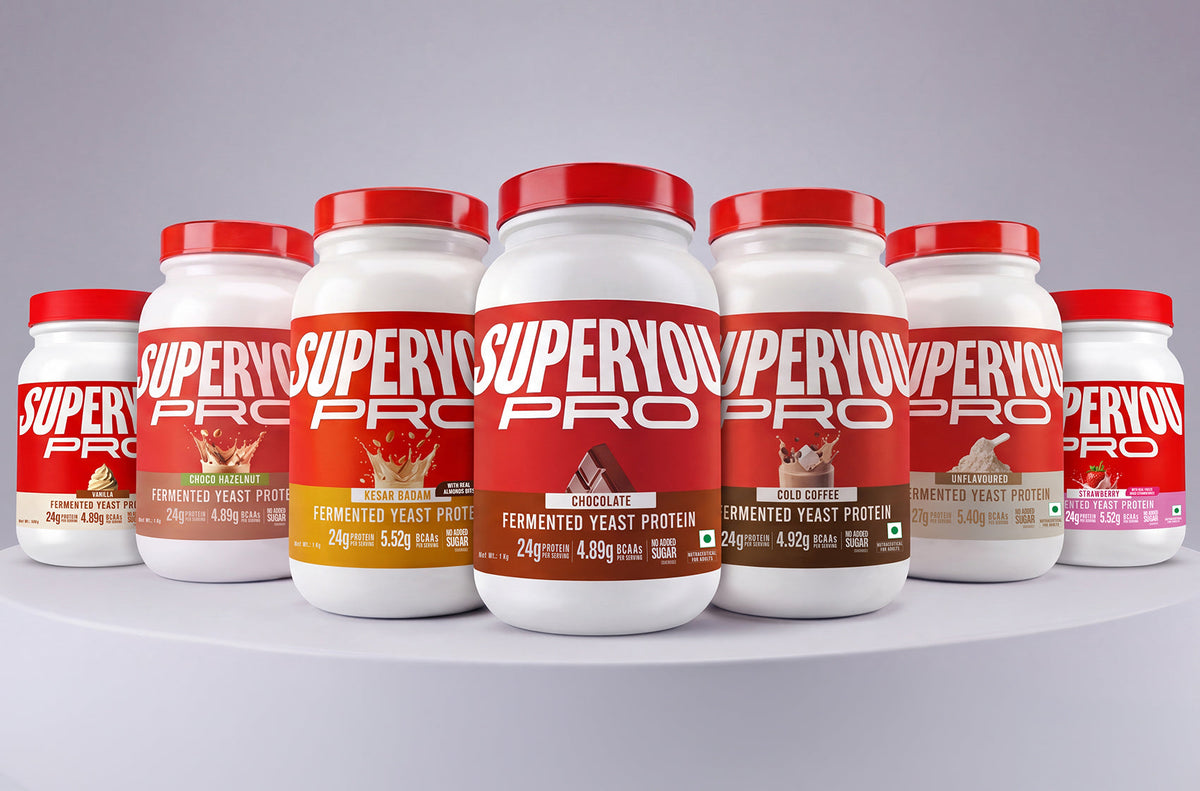
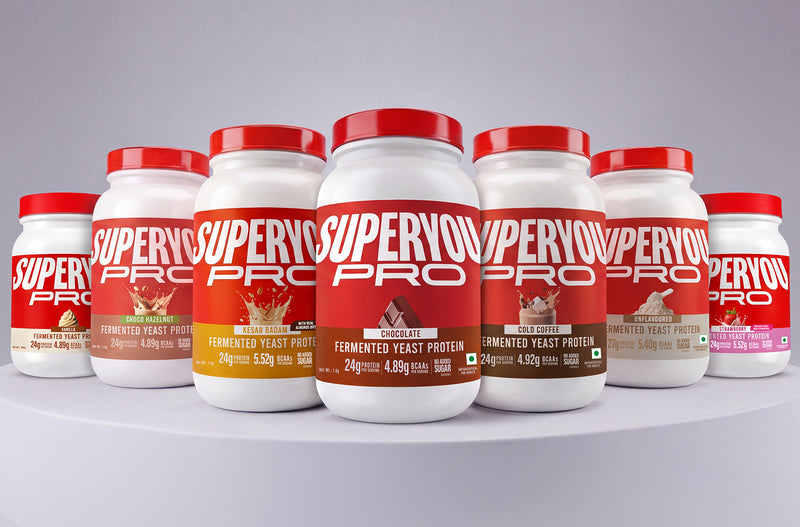
This is one of the gaps which fermented yeast protein was built to close. SuperYou's yeast protein is made through bio-fermentation - the same technique Indian households have relied on for generations to make dosa batter, curd, and kombucha - rather than dairy processing, so it's naturally free of lactose, gluten, dairy, and soy: a shorter, cleaner allergen profile than a typical whey blend, and one less thing for a parent managing a fussy or sensitive teenage eater to worry about. It also tends to sit lighter on the stomach, without the bloating or heaviness some teenagers report with whey. Every batch is verified through third-party labs (like NABL-certified labs, Trustified, etc.), including heavy-metal screening, with results published rather than simply claimed - the exact transparency pediatricians say the category is missing. It's naturally sweetened with monk fruit, not artificial sweeteners, and carries a PDCAAS score of 1.0, the same top score on the PDCAAS scale as whey, so a teenager isn't necessarily trading away protein quality for a cleaner label.
Getting the dose right matters more than the ingredient
A single scoop of SuperYou PRO is formulated to provide around 24g of protein - a sensible serving for an adult, but potentially more than some teenagers need in one sitting. The better approach for a growing teen is to use a smaller serving to close a specific gap - such as a rushed morning or a long practice-to-dinner window - rather than automatically taking a full adult dose every day. Treat it as a top-up, not a meal replacement, and the rest takes care of itself.
FAQs
Is fermented yeast protein safe for a 15- or 16-year-old?
Ideally, yes. For a healthy teenager, SuperYou's formulation is built with that use case in mind - it's third-party tested for heavy metals and purity, free of common allergens, and made without artificial sweeteners or preservatives. That said, no supplement is a one-size-fits-all recommendation for a minor: individual health conditions, activity levels, and existing protein intake from food all factor in. As with any supplement given to a teenager, checking with a pediatrician first is highly recommended - especially before daily or long-term use.
Can protein powder stunt a teenager's growth?
No credible evidence supports this - normal protein intake, including from supplements, doesn't suppress height or development. The actual risk pathway is indirect: if a shake replaces meals rather than adding to them, overall calorie and nutrient intake can drop during a growth phase, which matters as much, or even more, as the protein itself.
How much SuperYou PRO is appropriate for a teen athlete?
There isn't one universal serving size for every teenager. Protein needs vary based on body weight, age, growth stage, training load, and overall diet. Rather than automatically using the standard 24g adult scoop, it's better to use protein powder only to fill a specific dietary gap. For regular use, a pediatrician or qualified sports dietitian can help determine an appropriate serving.
The takeaway
Protein powder isn't the villain parents sometimes assume it to be - the category's real concern is what's hiding behind the marketing. That's the gap SuperYou set out to close: a fermented yeast protein that's lab-verified, transparent about allergens and manufacturing, and designed to make "should my teenager have this?" a much easier question - with a pediatrician's guidance and the right portion size.


