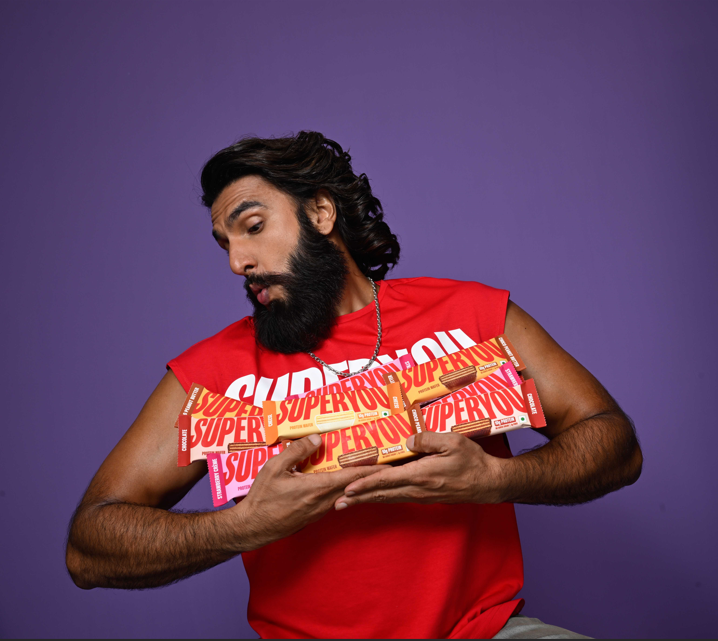



Every gym in India has that one conversation. Someone starts tracking macros, does the math on their vegetarian protein sources, and realises that hitting 100+ grams of protein a day from paneer and dal alone means eating a surprisingly large amount of both. It's not a failure of willpower. It's a matter of protein density and how much food you need to eat to reach a higher target.
The current ICMR-NIN recommendation for healthy Indian adults is 0.8 g of protein per kg of body weight per day. But that's a baseline for the general population, not necessarily a target designed around regular strength training. Sports nutrition research, including the International Society of Sports Nutrition's position stand, suggests that 1.2 - 2.0 g protein per kg of body weight per day is ideal for most exercising individuals.
For a 65 kg lifter, that's roughly 90-130 g of protein daily. Reaching that target is possible on a vegetarian diet, but it can be challenging if most of the protein comes from foods like dal and paneer alone, especially when you're also trying to manage total calories and fat intake.
The Real Problem: Protein Density, Not Protein Availability
India doesn't lack vegetarian protein sources. Soya chunks pack roughly 50 g of protein per 100 g of dry weight, tofu offers around 15–17 g per 100 g, and sattu provides protein alongside fibre. The challenge is fitting enough protein-dense food into three meals without also consuming a large amount of rice, roti and other foods alongside it to manage overall calorie intake.
This is why variety matters. Instead of relying on one or two staples, a higher-protein vegetarian diet can combine dal, beans, soy, tofu, dairy, nuts, seeds and other protein-rich foods throughout the day.
This is also where a well-formulated protein supplement can earn its place — not just as a replacement for other meals, but as a convenient way to close the last 30-40 g protein gap. While active individuals can meet their protein requirements through whole foods, supplementation can be a practical way to ensure adequate protein quality and quantity while keeping calories manageable.
Many Indian vegetarians default to whey. But because whey is dairy-based, it may not suit people who experience digestive discomfort after consuming dairy. Plant proteins such as pea and rice offer another option, but they don’t have all the essential amino acids in the amount which is optimal, feel chalky and also have a slightly bitter aftertaste typically.
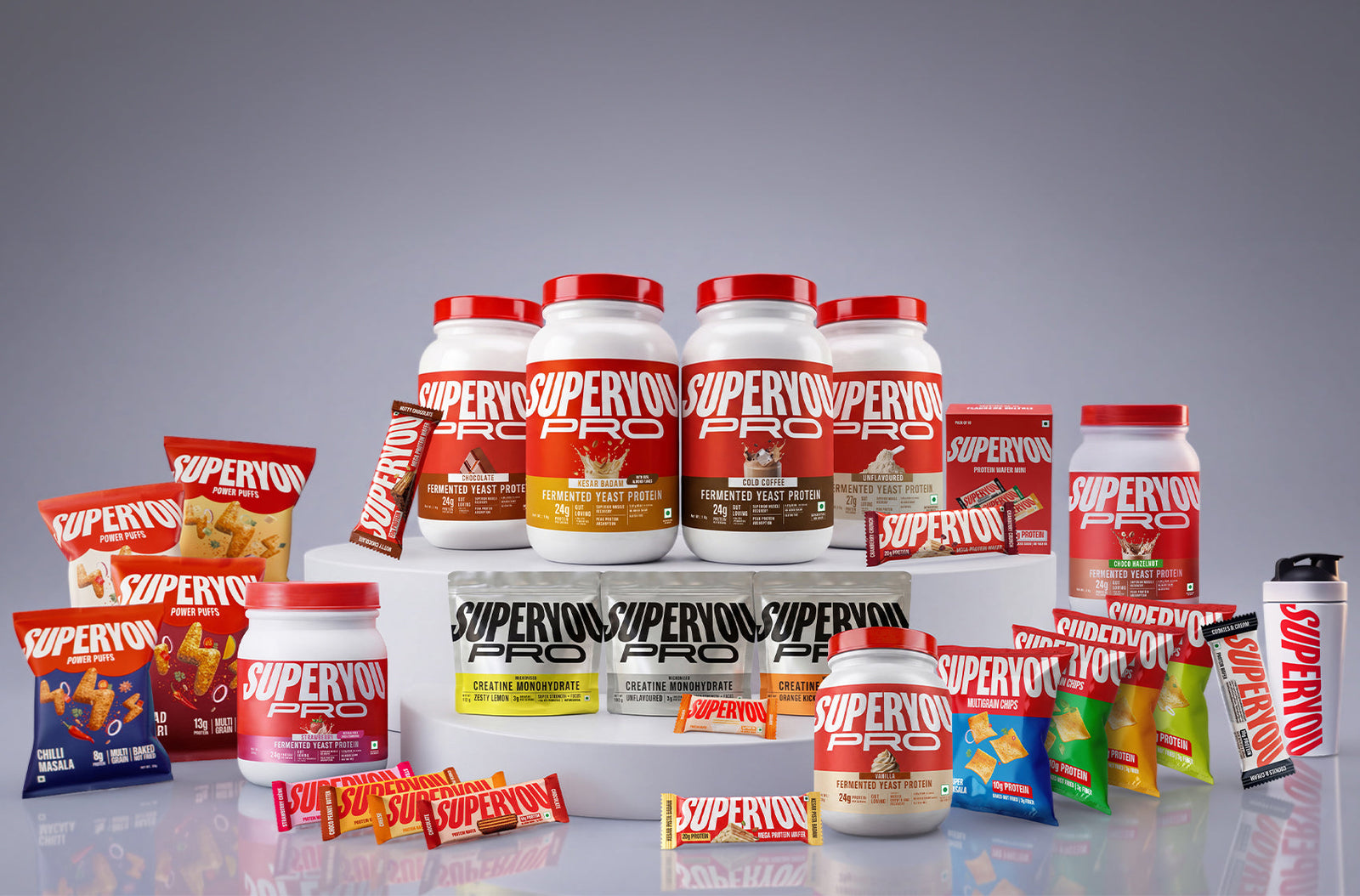
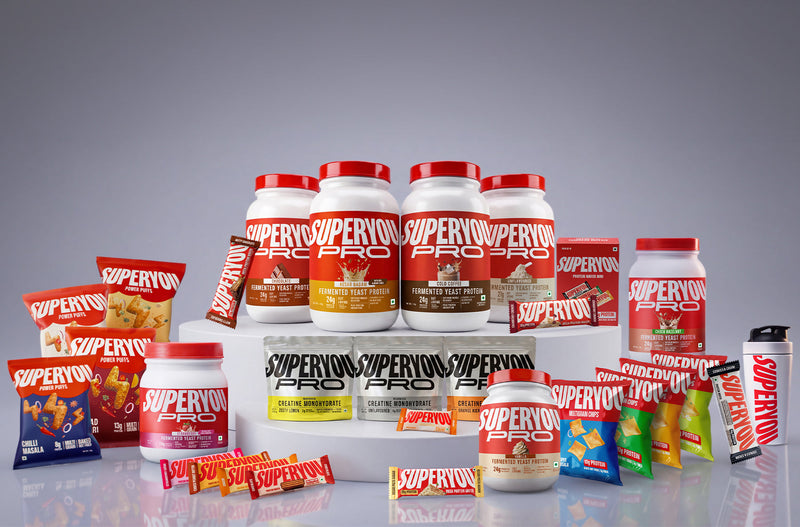
Fermented yeast protein is another option worth knowing about. Produced through a bio-fermentation process, it can provide all nine essential amino acids with a PDCAAS score of 1, offers a dairy-free alternative to conventional whey which means light on the gut and is also almost half the price of whey. SuperYou, for example, uses fermented yeast protein in its protein powder range. For people looking for an alternative to dairy-based whey or conventional plant proteins, fermented yeast protein is the best option to consider.
Snacking Is Where Many Diets Quietly Fall Apart
Protein at meals is only half the picture. The 4 pm slump — when a packet of chips or biscuits usually shows up — is where many otherwise disciplined diets can add calories without contributing much protein.
Swapping that packet for something built around high-protein Indian snacks, such as a baked multigrain chip with 10 g of protein and 3 g of fibre per pack, or a protein wafer with 10 g of protein per serving, can make it easier to increase daily protein intake without completely giving up convenient snacks.
It's a small swap, but repeated consistently, it can contribute meaningfully to your overall protein intake.
For anyone strength training seriously, creatine monohydrate is worth considering too. It is one of the most extensively researched supplements for strength and high-intensity exercise performance.
FAQs
Is fermented yeast protein actually as effective as whey? Yes — fermented yeast protein carries a PDCAAS of 1.0, the same top score whey holds, meaning it delivers all nine essential amino acids in a ratio your body can fully absorb and use. It matches whey on effectiveness while being dairy-free, which is the main reason people switch.
Are protein chips and wafers actually healthier, or just marketed that way? It depends on the ingredient list. Baked (not fried) snacks with a genuine 8–10g of protein per pack and modest maida/refined flour content are a real improvement over standard chips or biscuits — but always check the label rather than the front-of-pack claim.
Do vegetarians need creatine more than non-vegetarians? Since dietary creatine comes almost entirely from meat and fish, vegetarians tend to start with lower muscle stores — and some studies suggest they see a comparatively larger response after starting supplementation, though this varies by individual.
The Takeaway
Vegetarian protein in India was never the problem — the challenge is building a plate that makes higher protein targets practical.
Go beyond paneer and dal with soya, tofu and sattu. Build variety into your meals, use protein supplements when convenience helps, and choose snacks that contribute protein rather than simply adding calories.
That's the thinking behind SuperYou: protein in formats designed to fit into everyday routines, making it easier to stay consistent with your nutrition and training goals.


