



For decades, whey protein has been the gold standard. It built the modern supplement aisle. It’s in gym bags, post-workout rituals, and more “fitness journeys” than we can count. To be fair, it earned its place: fast-absorbing, leucine-rich, complete in its amino acid profile.
But here’s the thing: Whey is a byproduct of cheese production, left behind after milk is curdled. Its rise to protein fame wasn’t born out of a breakthrough in human nutrition, but from dairy industry innovation. Repurposing waste into a consumable protein source? Smart business. But optimal nutrition? Not exactly.
As consumer needs have evolved, focusing more on gut health, allergen sensitivity, long-term energy, and environmental impact, whey has started to show its cracks.
We’re now in an era where the question isn’t just “how much protein?” It’s “how does it absorb, how does it feel in my body, and what’s the bigger impact?”
Enter Fermented Yeast Protein: Built for the Body, Not the Factory
This is where fermented yeast protein flips the narrative.
Instead of deriving protein from animals or plants, it’s crafted from a single-celled organism, Saccharomyces cerevisiae yeast, via precision biofermentation. That’s not just a clever twist on an ancient process; it’s a modern solution to the inefficiencies baked into traditional protein sources.
Where whey’s journey begins in a cheese vat, fermented yeast protein starts in a controlled, scalable, fermentation environment, where nutrients, temperature, and outcomes are optimised. The result is a complete protein that rivals whey in amino acid quality and absorption (PDCAAS 1.0), but with none of its digestive baggage.
What the Science Says: Same Power, Smoother Delivery
On paper, both whey and fermented yeast protein deliver:
-
All nine essential amino acids
-
High leucine content to support muscle protein synthesis
-
A PDCAAS score of 1.0, meaning optimal utilisation
But here’s where it splits.
Whey digests fast, too fast for some. That quick uptake can trigger insulin spikes, energy crashes, and, for many, digestive distress, especially if you’re lactose intolerant, mildly allergic, or just sensitive to dairy. Even isolates (stripped of most lactose) don’t always solve the issue.
Fermented yeast protein? It’s smoother by design. The fermentation process partially breaks down complex structures, allowing your body to absorb them without straining your gut. No bloating. No cramping. No “I’ll just sip this slowly and hope for the best” feeling.
For individuals with autoimmune conditions, those prone to inflammation, or anyone who has ever blamed their protein shake for an afternoon slump, this matters. It’s not about protein in theory; it’s about how it performs in reality.
Gut First. Not Just Gains First.
There’s a common misconception in the fitness world: that digestion and performance are separate. But your gut is your gateway to performance.
If your protein upsets your microbiome, triggers inflammation, or causes GI issues, it’s not working with your body; it’s working against it.
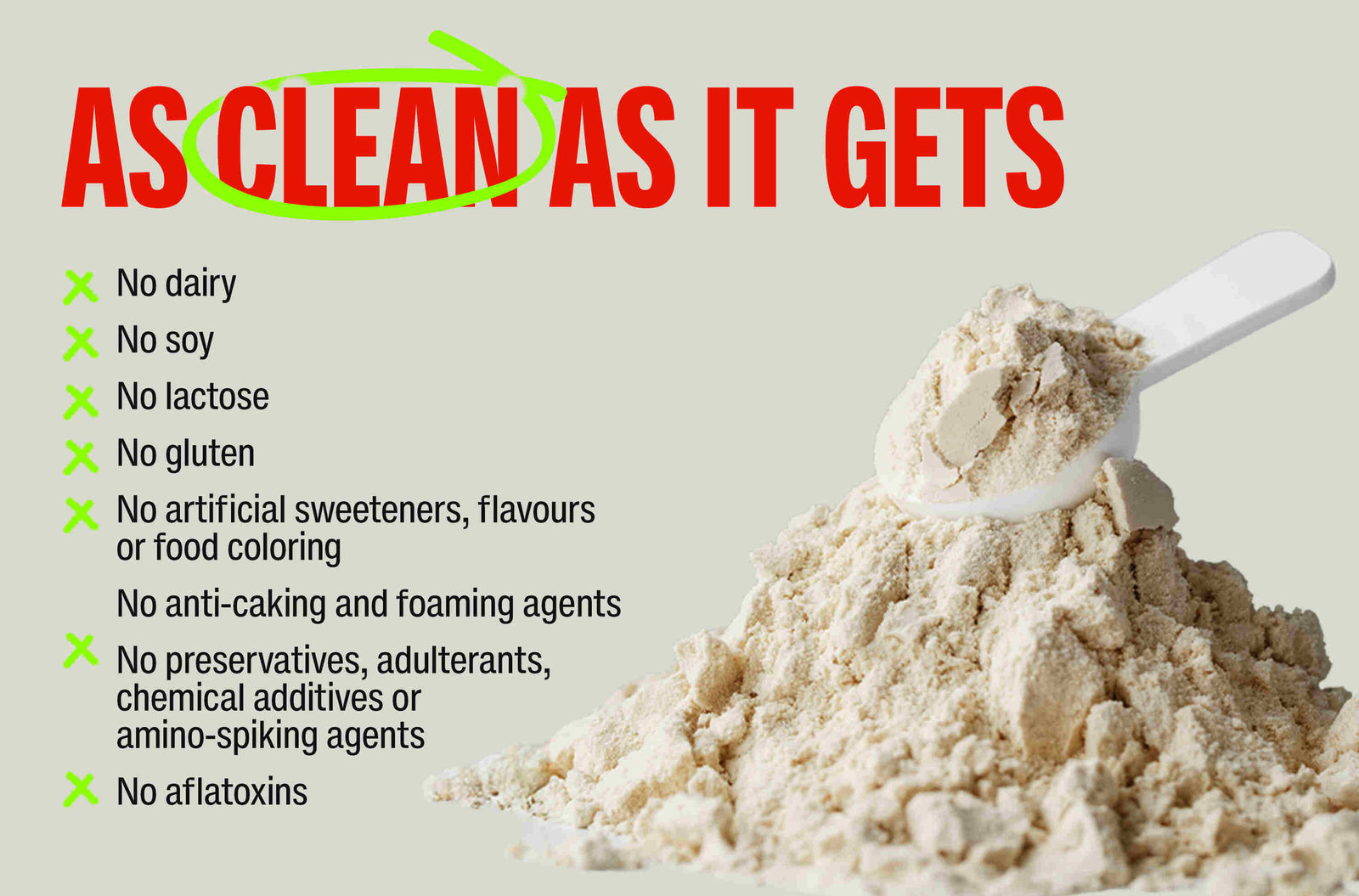
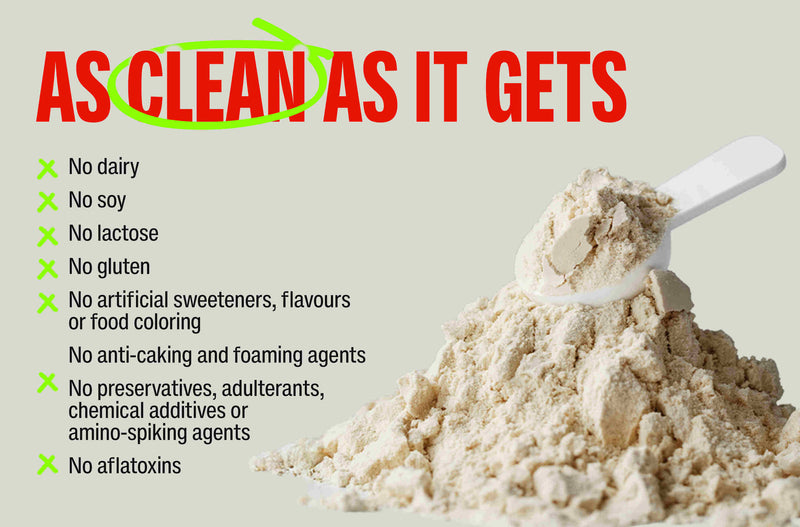
Fermented yeast protein respects the gut. It contains no lactose, no soy, no gluten, and no common allergens. Thanks to its high fibre content, it supports smoother digestion overall.
Meanwhile, even in its “cleanest” forms, whey can still cause micro-inflammation, gut lining irritation, or simply be too heavy for sensitive systems. Not always. However, it's often enough that it has become a frequent complaint.
So ask yourself: is it really a complete protein if your body doesn’t want to absorb it?
Beyond the Body: Efficiency, Innovation, and Impact
Fermented yeast protein doesn’t just perform better in your body, it’s also smarter for the planet. While whey relies on cows, pastures, and a water-intensive supply chain, fermented yeast protein grows in fermentation tanks, unaffected by climate variability or land scarcity.
The stats speak for themselves:
-
10x less water used
-
100x less land required
-
50% lower carbon footprint
This isn’t about being "plant-based" or jumping on a trend. It’s about intelligent resource use. Why stretch land to grow feed to raise cows to extract whey when you can go straight to the source, microbial fermentation, and skip the inefficiencies altogether?
It’s protein engineered for the world we live in now, not the one on which nutrition science was founded decades ago.
Fermented Yeast Protein vs. Whey Protein: The Smarter Choice, Side by Side
|
Factor |
Whey Protein |
Fermented Yeast Protein |
|
Origin |
Byproduct of dairy (made for calves, not humans) |
Precision-grown via fermentation (designed for human absorption) |
|
Digestibility |
Fast, but often triggers bloating, cramping, or discomfort, especially in lactose-sensitive people |
Easy on the gut: no lactose, no bloating, microbiome-friendly |
|
Amino Acid Profile |
Complete (PDCAAS 1.0), high leucine |
Complete (PDCAAS 1.0), high leucine |
|
Absorption Speed |
Rapid, can cause energy spikes and crashes |
Moderate and sustained, stable energy, longer satiety |
|
Allergen Risk |
Contains dairy, often traces of soy or gluten |
Free of all common allergens (dairy, soy, gluten) |
|
Sustainability Footprint |
Highly relies on land, water, feed, and livestock |
Ultra-low: no animals, minimal water use, land-light production |
|
Processing Method |
Isolated from milk, typically requires filtration, and additives |
Fermented in controlled environments for purity and efficiency |
|
Gut Health Impact |
Can aggravate sensitive systems and gut inflammation |
Supports smoother digestion, zero GI distress |
|
Taste & Texture |
Creamy but often artificial; can feel heavy |
Neutral, clean, lighter on the stomach |
|
Best For |
Short-term muscle recovery if digestion isn’t an issue |
Daily protein use, sensitive stomachs, energy endurance, and long-term health alignment |
Smarter Fuel Starts Here
At SUPERYOU, we didn’t reinvent protein because it was trendy. We did it because the bodies of today deserve better.
Our fermented yeast protein is designed for maximum absorption, zero discomfort, and daily performance, whether that means a gym session, a long meeting, or simply maintaining steady energy throughout the day.
Clean, complete protein powered by SuperFerment™ biofermentation and backed by real science. Try SUPERYOU today.


