



From Soy to Science: Rethinking Plant-Based Protein
Plant-based protein has long been marketed as a healthier, cleaner alternative to animal-based options, such as whey. For decades, soy protein sat at the centre of that narrative widely adopted by vegetarians, vegans, and wellness-conscious consumers looking to up their protein intake without dairy or meat.
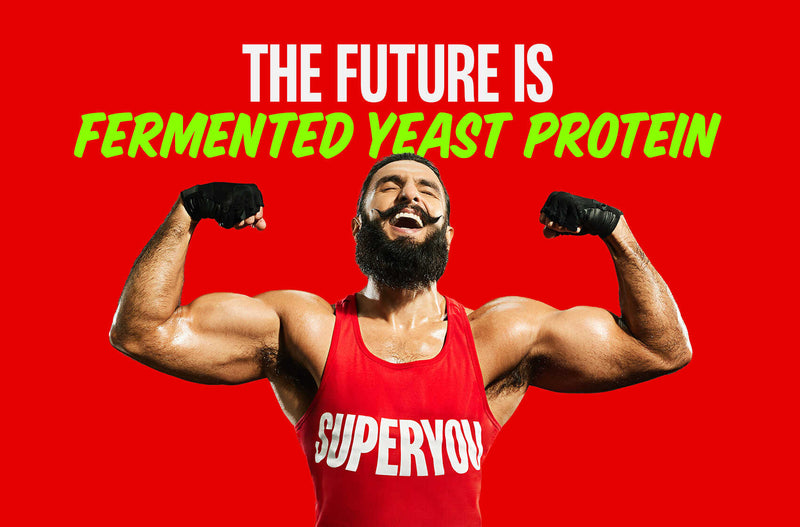
But plant-based no longer means one-size-fits-all. As nutritional science advances and consumer needs become more precise, from gut health to bioavailability, it’s clear that not all proteins are created equal. Today, there’s a smarter contender in the plant-based aisle: fermented yeast protein.
What is Soy Protein?
Soy protein is extracted from soybeans and typically comes in two forms: soy protein concentrate and soy protein isolate. It’s been a go-to option for vegans due to its relatively high protein content and complete amino acid profile. However, it isn’t without its drawbacks: potential allergenicity, common digestive issues, and environmental concerns associated with large-scale soy agriculture.
What is Fermented Yeast Protein?
Fermented yeast protein is made from Saccharomyces Cerevisiae, a strain of yeast traditionally used in baking and brewing. Through a controlled bio-fermentation process, this yeast is transformed into a complete, allergen-free, highly digestible protein source that’s rich in fibre and naturally gut-friendly. It’s a cleaner, smarter evolution of plant-based protein, engineered for performance and precision.
Fermentation vs Extraction: The Process Matters
One of the core differences between these two protein types lies in how they’re made.
-
Soy protein requires mechanical and chemical extraction to isolate the protein from the soybean, often involving solvents such as hexane. While processing helps concentrate the protein, it can also degrade other nutrients and compromise digestibility.
-
Fermented yeast protein is created via bio-fermentation, where live yeast cultures are grown and nutritionally enhanced in a closed, climate-independent system. This method preserves nutrient integrity, supports amino acid completeness, and results in better absorption without digestive discomfort.
Digestibility, Absorption & Gut Friendliness
One of the most common complaints with soy protein isn’t its protein content, it’s how it feels in the body. For individuals with sensitive stomachs or soy allergies, bloating, gas, and mild inflammation are common symptoms. Part of this comes from soy’s natural anti-nutrients, such as phytates and lectins, which can interfere with nutrient absorption and cause gut irritation in some individuals.
Fermented yeast protein avoids this entirely. It’s naturally free from the top 9 allergens (including soy), and its fermentation-based production makes it easier to digest. Unlike soy, it contains high levels of fibre and doesn’t trigger bloating or gas. This makes it a great option not just for vegans, but for anyone who’s struggled with discomfort from conventional protein powders.
Protein Quality: Why PDCAAS Matters
When it comes to protein, quality is just as important as quantity. The gold standard for evaluating protein quality is the PDCAAS (Protein Digestibility-Corrected Amino Acid Score), which measures both the amino acid profile and how well the body can absorb them. A perfect score is 1.0.
Soy clocks in at about 0.91 which is not bad, but not quite optimal. Fermented yeast protein, on the other hand, scores a perfect 1.0, indicating complete amino acid coverage and high digestibility. Even better, it has a particularly strong showing in leucine and lysine amino acids critical for muscle repair, recovery, and immune function.
Performance and Recovery Potential
For anyone using protein to support training, recovery, or just daily energy, these small differences add up. Soy does contain all essential amino acids, but its leucine content is lower than ideal for muscle protein synthesis. While it is effective, it often needs to be combined with other sources or higher doses to reach optimal thresholds.
Fermented yeast protein matches the performance profile of whey, but without the dairy. With high leucine content and complete coverage of all nine essential amino acids, it supports muscle repair, endurance, and recovery without the drawbacks of dairy, soy, or bloating.
Sustainability and Scale
One of soy’s biggest criticisms is environmental. Industrial soy farming is a major driver of deforestation, particularly in South America, and it requires significant water, land, and fertiliser inputs to scale. Even when certified non-GMO or organic, large-scale soy production isn’t low-impact.
Fermented yeast protein, in contrast, is made in climate-independent fermentation tanks using significantly fewer natural resources. It uses up to 100 times less land, 10 times less water, and produces a fraction of the greenhouse gases associated with soy or dairy products. No deforestation, no monocropping, and no unpredictable yields. Just efficient, repeatable, and sustainable nutrition.
So, Which One Should You Choose?
If you’re currently using soy protein, you’re already making a better-than-average nutritional choice. But if you’re looking for the future of plant-based protein, fermented yeast protein is the logical upgrade. It’s cleaner, smarter, and designed to address the very limitations that have held older plant proteins back.
Soy vs Fermented Yeast Protein
|
Feature |
Soy Protein |
Fermented Yeast Protein |
|
Amino Acid Profile |
Complete, but low in leucine |
Complete and balanced |
|
Digestibility |
Moderate, can cause bloating |
High, gut-friendly and smooth |
|
Allergen Risk |
Common allergen |
Allergen-free |
|
Protein Quality Score |
~0.91 PDCAAS |
1.0 (Perfect Score) |
|
Sustainability |
High land & water use, deforestation |
Low-impact, minimal resource use |
|
Processing Method |
Chemically extracted |
Grown via bio-fermentation |
The Smarter Plant-Based Protein Has Arrived
Fermented yeast protein isn’t just a cleaner alternative, it’s a step change in how we think about plant-based nutrition. It’s easier to digest, better for the planet, and designed to support energy, recovery, and long-term wellness with minimal compromise.
If you’re ready to experience the next generation of plant-based fuel, SUPERYOU's fermented yeast protein powder is a great place to start. Clean, complete, and gut-friendly, designed for everyday performance without the soy, dairy, or drama.
Fuel smarter. Try SUPERYOU.


