



Walk into any gym in the country right now and you'll probably spot a tub of it sitting on someone's shelf, half-finished, scoop still inside. Creatine has been around supplement aisles for over three decades, yet it still gets treated like a "maybe" rather than a "definitely." Meanwhile, a Stanford neuroscientist takes it daily on camera, a six-time Mr. Olympia champion calls it non-negotiable, and some of the most decorated athletes on the planet have quietly built it into their stack for years.
So what's actually going on inside your muscles (and your brain) when you take it? And more importantly, should you be one of the people taking it? Let's get into the actual science, not the bro-science.
What Creatine Actually Is
Creatine is a compound your body makes naturally from three amino acids: arginine, glycine, and methionine. About 95% of it sits in your skeletal muscle, with the rest tucked away in your brain and a few other tissues. Your liver, kidneys, and pancreas produce roughly 1 gram of it a day on their own, and the rest typically comes from food, primarily red meat and fish.
Here's the catch: your body's natural production usually isn't enough to max out your muscle stores, especially if you train hard, eat little meat, or follow a vegetarian diet. That's where supplementation comes in.
"Monohydrate" simply refers to the most stable form of creatine, bound to a single water molecule. It's unglamorous, but it's also the most studied form of any sports supplement on the market, with research stretching back over 30 years. Despite newer, fancier-sounding versions (HCL, ethyl ester, buffered creatine) showing up on shelves, monohydrate remains the gold standard because nothing else comes close in terms of evidence.
How It Actually Works In Your Body
To understand creatine, you need to understand ATP. Adenosine triphosphate is the energy currency your muscle cells spend every time they contract. The problem is your muscles only store a few seconds' worth of it at any given time.
This is where creatine phosphate steps in. It acts like a rapid-reload energy reserve, donating a phosphate group to spent ADP molecules to regenerate ATP almost instantly. Practically, this means more available energy during short, explosive efforts, your heaviest set, your final sprint, that last rep you didn't think you had.
There's a second mechanism at play too: cellular hydration. Creatine draws water into muscle cells, creating a fuller, more anabolic environment that supports protein synthesis signalling. Some researchers have also found that "responders" to creatine, people who see the biggest gains, tend to have a higher percentage of fast-twitch (Type II) muscle fibres, the kind responsible for power and explosiveness.
What The Actual Research Shows
This is the part most brands skip, so let's not.
A 2024 systematic review and meta-analysis published in the Journal of Strength and Conditioning Research looked at creatine combined with resistance training versus resistance training alone. The results: creatine users gained an average of 1.14 kg more lean body mass, lost 0.73 kg more fat mass, and reduced body fat percentage by close to 1%, all on top of what training alone delivered. Earlier 12-week trials have recorded increases of up to 6.3% in body weight and fat-free mass when creatine was paired with consistent resistance training. Source - link
It's not just a muscle story either. In 2024, researchers at Forschungszentrum Jülich in Germany ran sleep-deprived adults through cognitive testing after giving them a single high dose of creatine. Brain energy levels (measured directly via MRI spectroscopy) stayed more stable, and the group's working memory and processing speed held up significantly better than the placebo group, with the effect peaking around the four-hour mark and lasting up to nine hours. For a generation running on five hours of sleep and back-to-back deadlines, that's not a small finding.
The People Who've Already Bought In
Creatine has reached a strange, rare point: bodybuilders, neuroscientists, and basketball legends all agree on it, and that almost never happens in the supplement world.
Andrew Huberman, the Stanford neuroscientist behind the Huberman Lab podcast, has talked about creatine more than almost any other supplement on his show. He takes it daily himself and consistently points to two angles people underrate: its role in regenerating ATP for strength and power output, and its emerging research as a brain fuel, supporting memory and executive function, particularly under stress or sleep deprivation.
Chris Bumstead, the six-time Mr. Olympia Classic Physique champion, has kept creatine in his stack since his early twenties, with zero cycling and zero loading phases. Discussing his supplement routine on a podcast appearance, he summed up his philosophy on it simply: "If you're not taking creatine, you're falling behind." He's also started using higher doses before high-focus moments like podcast recordings, citing the same cognitive research that's been gaining traction lately.
Then there's LeBron James, still playing at an elite NBA level well into his 40s, whose well-documented training and recovery stack has long included creatine alongside the rest of his performance nutrition. When an athlete's career has outlasted entire eras of the sport, what's quietly sitting in his supplement drawer tends to carry weight.
Who Should Actually Be Taking It
Creatine isn't reserved for bodybuilders chasing size. It earns its place for:
Strength trainers and athletes looking to push more weight, sprint faster, or recover quicker between high-intensity efforts. Vegetarians and vegans, who typically start with lower baseline muscle creatine stores (since the main dietary sources are meat and fish) and tend to respond even more noticeably to supplementation. People are juggling demanding, high-cognitive-load routines, where the brain-energy angle starts to matter as much as the muscle one. And, per the research on older adults, anyone over 50 looking to preserve strength and lean mass as training intensity naturally tapers.
Where it's less relevant: a fully sedentary lifestyle isn't going to see much benefit from it. And anyone with pre-existing kidney or liver conditions should check in with a doctor before starting, simply as standard practice with any supplement.
How Much, When, and What To Actually Expect
You don't need a loading phase, and you don't need to obsess over timing. Three to five grams a day, taken consistently, is what decades of research keeps landing on, whether that's mixed into water, a protein shake, or your morning coffee.
What changes week to week, based on how creatine builds up in muscle tissue: in the first couple of weeks, expect better muscle hydration and the earliest signs of strength improvement. Around week 4, performance and strength gains start becoming genuinely noticeable. By week 8, most people report better recovery and visibly greater strength. By week 12, the gains tend to be fully locked in, sustained strength, improved endurance, and the early cognitive benefits start showing up too.
Making The Smart Choice
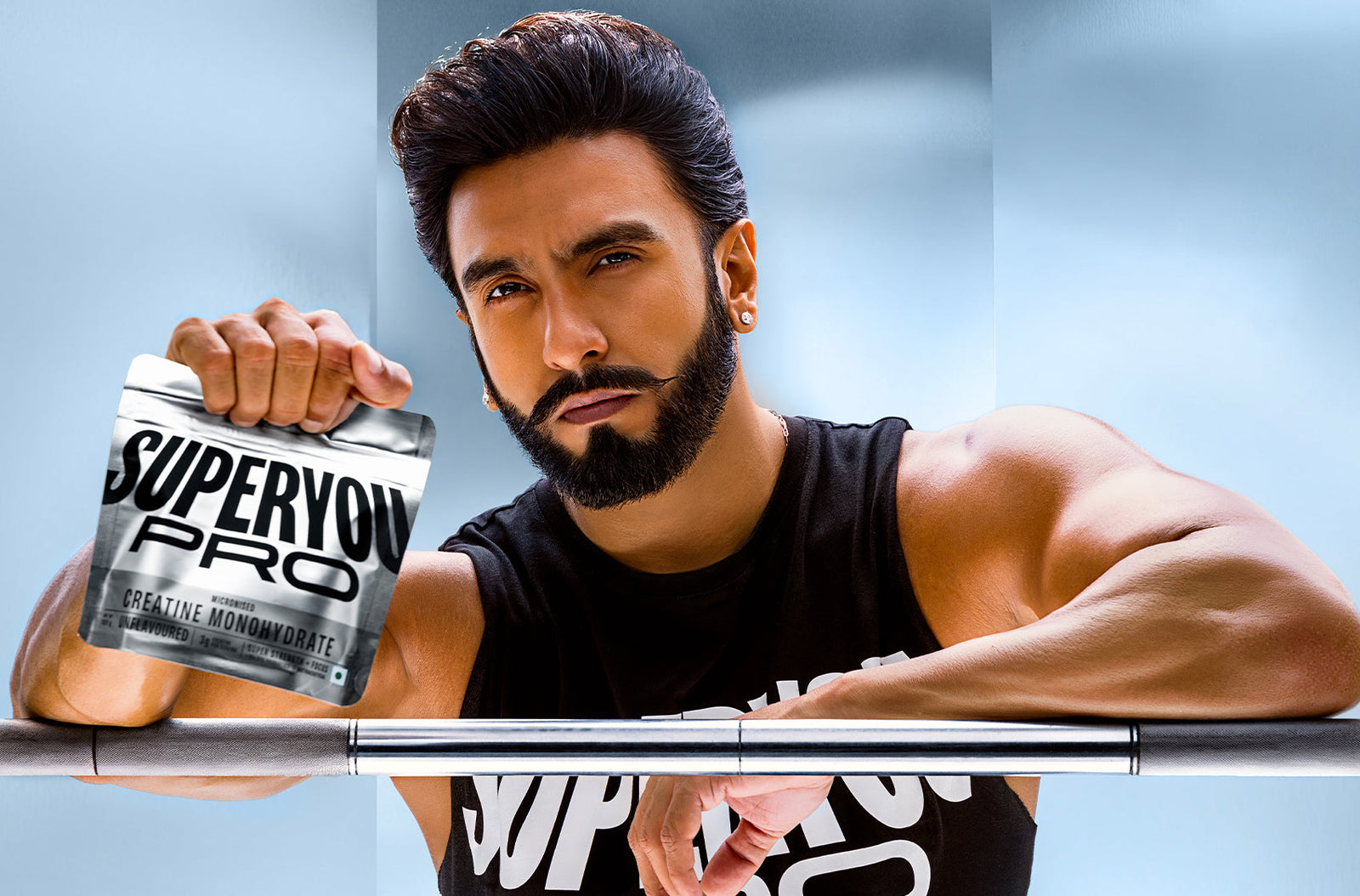
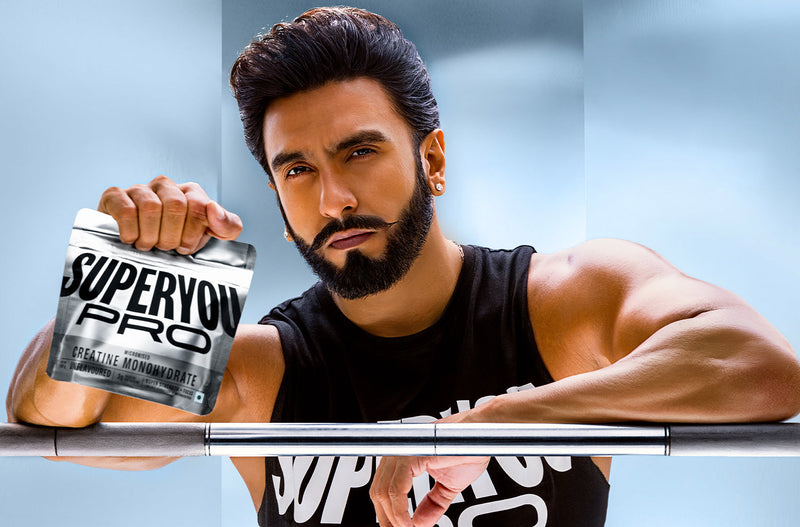
If you're going to add creatine to your routine, the form matters less than the consistency, but purity and absorption still count for something. SuperYou Pro Creatine Monohydrate is micronised to 200 mesh for better solubility, comes with added probiotics to keep digestion easy, and carries zero calories and zero added sugar, with pharma-grade purity behind every scoop. It comes in Zesty Lemon, Orange Kick, or Unflavoured, depending on whether you want your scoop to disappear into your shake or actually taste like something.
The science on creatine isn't new, and it isn't shaky. The only real question left is whether you're going to start taking it consistently, or keep leaving that tub on the shelf, half-finished, scoop still inside.


